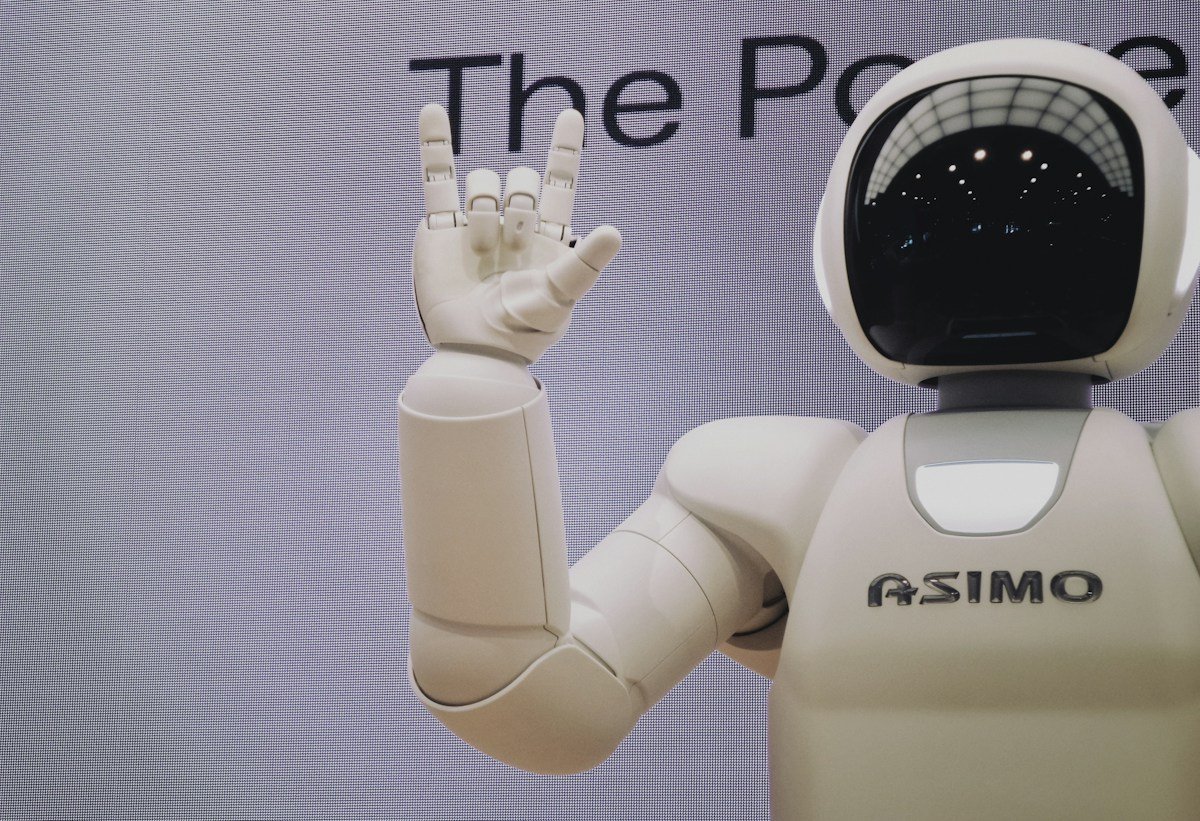

Demos are useful. They compress a complicated idea into something a room can react to, and they help a team decide what to build next. They are simply not evidence, and the difference matters most in exactly the moment it is easiest to forget.
What a demo can and cannot show.
A demo shows a capability under conditions its author selected: clean inputs, a known path, a forgiving audience. Everything that makes deployment difficult — messy data, edge cases, latency, permissions, users in a hurry — has been removed by design.
So a demo answers whether something is possible. It cannot answer whether it is dependable, and dependability is what a customer is actually buying.
The prototype ends the argument about possibility and begins the one about reliability.

Repeatable beats impressive.
The first successful run of an AI system is a result. The hundredth identical run is a product. Between those two points sit the things that decide commercial outcomes: variance, failure modes, operational cost, and the amount of human attention each result quietly requires.
- Does the same input produce a usable result every time?
- How much human review does each result still need?
- What does one result cost to produce at volume?
- Which inputs reliably break it, and how is that handled?
Deployment produces the evidence everything else depends on.
Once a system runs in a real environment, it starts generating the one asset that cannot be manufactured: a record of behaviour under conditions nobody chose. That record is what convinces the next customer, the next partner, and the next investor.
Variance — how differently the system behaves across real inputs.
True cost — compute, review, and support per result at volume.
Workflow fit — whether people change their behaviour to use it.
Measured outcome — a number the customer’s own systems can verify.
We pay close attention to teams that are impatient to get out of the demo. It usually means they already know which questions they cannot answer yet.

CognioIQ Editorial
Editorial Team · CognioIQ
The CognioIQ editorial team explores the ideas, technologies, investment models, and deployment challenges shaping the next generation of AI-first companies. Our work focuses on the path from technical ambition to products that can be validated, adopted, deployed, and scaled in the real world.
More from this author